
A child’s hospital experience is fundamentally different from an adult’s. The clinical environment—with its bright lights, unfamiliar sounds, and intimidating equipment—can trigger fear, anxiety, and resistance to treatment. For children requiring intravenous therapy, infusion sessions can last anywhere from 30 minutes to several hours. During this time, the child’s physical comfort and emotional state directly impact treatment outcomes, cooperation levels, and overall recovery.
The pediatric infusion chair is not merely a piece of medical furniture. It is a therapeutic tool that bridges clinical necessity with compassionate care. When designed thoughtfully, it can reduce anxiety, improve treatment adherence, and create a more positive healthcare experience for young patients, their families, and medical staff alike.
Research confirms that human-centered, well-designed pediatric spaces can reduce reliance on sedation and pain medication, improve provider efficiency, increase family satisfaction, and create long-lasting positive associations with healthcare. The pediatric infusion chair sits at the heart of this equation.
What Makes a High-Quality Pediatric Infusion Chair?
1. Ergonomic Design for Growing Bodies
Children are not small adults. Their bodies have different proportions, lower muscle mass, and developing skeletal structures. A pediatric infusion chair must accommodate these differences with:
Age-appropriate sizing: Seats must be scaled to fit children of various ages, from toddlers to adolescents, preventing slouching or slipping during extended treatment sessions–.
Adjustable backrests and footrests: Smooth adjustment mechanisms allow clinicians to position each child comfortably, whether sitting upright for a short infusion or reclining for longer procedures–.
Proper lumbar and head support: Many standard medical chairs lack adequate head and back cushioning, causing discomfort during prolonged treatment. Quality pediatric chairs incorporate supportive padding that reduces physical fatigue–.
2. Safety as the Foundation
Safety is non-negotiable in pediatric healthcare environments. Essential safety features include:
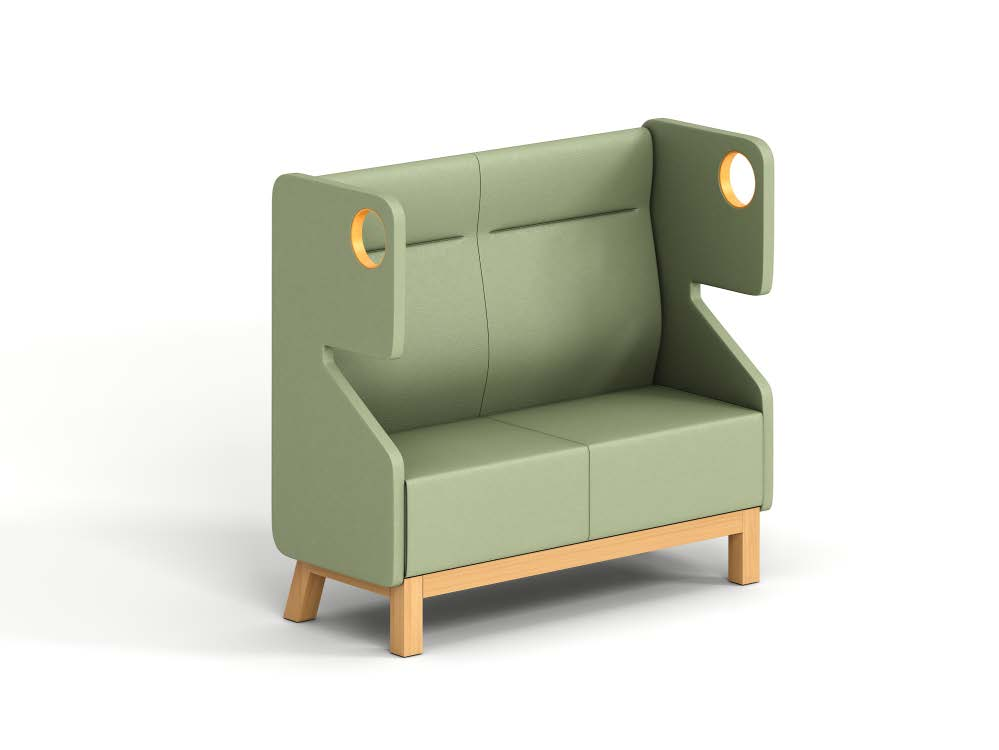
Rounded edges and smooth surfaces: All exposed edges must be rounded to prevent injury from bumps or falls–.
Sturdy, stable construction: A heavy-duty steel frame with a low center of gravity prevents tipping, even when active children shift positions–.
Secure IV pole integration: The attached IV stand must be stable, height-adjustable, and positioned to prevent accidental pulling or dislodgement of lines–.
Non-slip surfaces: Seats and armrests should feature anti-slip materials to keep children safely positioned–.
Weight capacity: Quality pediatric chairs are engineered to support substantial weight loads, ensuring durability and safety as children grow–.
3. Infection Control and Easy Cleaning
Healthcare-associated infections remain a critical concern in pediatric settings. Pediatric infusion chairs must withstand rigorous daily disinfection protocols without degrading–. Key material considerations include:
Waterproof, fluid-resistant upholstery: Surfaces must repel spills, bodily fluids, and cleaning agents–.
Wipe-clean materials: Seamless or minimally seamed construction prevents fluid absorption and bacterial growth.
Durable finishes: Materials must resist scratching, staining, and wear from repeated cleaning with harsh hospital-grade disinfectants–.
Antimicrobial vinyl or PU leather: These materials inhibit bacterial growth while remaining comfortable for extended sitting–.
4. Emotional Design: Reducing Fear Through Color and Form
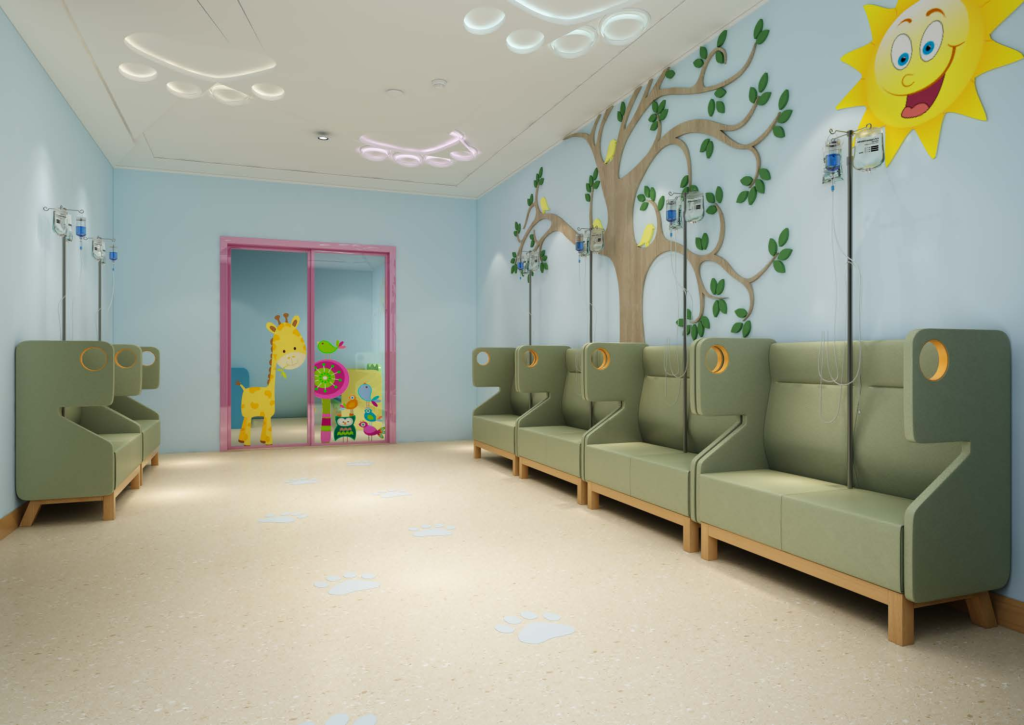
Perhaps the most distinctive feature of pediatric infusion chairs is their ability to transform a clinical procedure into a less intimidating experience. Research demonstrates that positive distractions—colorful designs, playful elements, and engaging features—reduce perceived pain and procedure times.
Bright, cheerful colors: Gentle, warm color palettes and playful patterns capture children’s attention and reduce anxiety.
Cartoon or animal themes: Familiar characters and friendly designs create a sense of safety and normalcy in an otherwise clinical environment–.
Multimedia integration: Built-in screens or tablet holders allow children to watch cartoons, listen to music, or play educational games during treatment, effectively distracting them from discomfort and shortening their perceived treatment time.
Familiar, non-institutional aesthetics: Designs that resemble home furniture rather than medical equipment help children feel more at ease–.
5. Family-Centered Features
Pediatric care is family-centered care. Quality infusion chairs support this philosophy with:
Companion seating: Space for a parent or caregiver to sit beside the child provides emotional support and reassurance.
Storage solutions: Built-in compartments for personal items, toys, or snacks keep essentials within reach–.
Accessible design: Easy entry and exit accommodate children with mobility challenges or physical limitations–.
Market Trends: The Growing Demand for Pediatric Infusion Chairs
The global infusion chairs market was valued at USD 0.56 billion in 2024 and is expected to reach USD 0.91 billion by 2031, growing at a compound annual growth rate of 13.00%–. Within this expanding market, pediatric solutions represent a significant and growing segment.
Several factors drive this growth:
Increasing Pediatric Healthcare Investment
Governments and healthcare systems worldwide are recognizing the need for child-friendly medical environments. Hospitals are upgrading from generic adult-sized equipment to specialized pediatric solutions that improve outcomes and patient satisfaction–.
Rising Chronic Disease Prevalence in Children
Conditions requiring long-term infusion therapy—such as pediatric cancers, autoimmune disorders, and chronic infections—are increasing, driving demand for comfortable, durable infusion chairs designed for frequent, extended use–.
Focus on Patient Experience and Satisfaction
Healthcare reimbursement models increasingly tie funding to patient satisfaction scores. Hospitals investing in high-quality pediatric furniture see measurable improvements in patient and family satisfaction, directly impacting their bottom line-31.
Shift Toward Outpatient and Ambulatory Care
More infusion treatments are being delivered in outpatient clinics and ambulatory care centers rather than inpatient hospital wards. These facilities require compact, durable, and visually appealing furniture that can accommodate high patient volumes while maintaining a welcoming atmosphere.
What to Look for When Sourcing Pediatric Infusion Chairs
For hospital procurement managers, clinic directors, and healthcare project contractors, selecting the right pediatric infusion chair supplier requires careful evaluation:
Key Procurement Criteria
| Criteria | What to Look For |
|---|---|
| Certifications | ISO 9001, CE marking, and relevant medical device certifications |
| Material Quality | Antimicrobial upholstery, rust-resistant frames, durable finishes |
| Customization Options | Color choices, size variations, branding integration |
| Bulk Pricing | Volume discounts for large hospital projects and healthcare systems |
| Lead Times | Reliable production and delivery schedules |
| Export Documentation | Complete paperwork for smooth customs clearance |
| After-Sales Support | Warranties, spare parts availability, and responsive service |
Red Flags to Avoid
Generic adult chairs marketed as “pediatric”: These lack proper scaling and safety features
Unverified manufacturers: Suppliers without established quality systems and certifications
Non-standard materials: Upholstery that cannot withstand hospital-grade disinfection
Unclear specifications: Vague product descriptions and missing technical data
Why Partner with a Professional Medical Furniture Factory
Working directly with a specialized manufacturer offers significant advantages for healthcare projects:
Factory-Direct Pricing: Eliminating intermediaries means competitive pricing without compromising quality—critical for budget-conscious hospital projects.
Customization Capabilities: Professional factories support custom colors, sizes, and design modifications tailored to specific project requirements, whether for a single clinic or a multi-hospital healthcare system.
Quality Assurance: Established factories maintain consistent quality control throughout production, from raw material selection to final inspection.
End-to-End Project Support: From initial consultation and design through manufacturing, delivery, and installation, a full-service factory streamlines the procurement process.
Global Export Experience: Factories with international shipping expertise handle all export documentation, logistics, and compliance requirements, simplifying cross-border procurement.
Conclusion: Investing in Pediatric Comfort Is Investing in Better Outcomes
The pediatric infusion chair is a small but significant element of the healthcare environment. When designed with children’s unique physical, emotional, and developmental needs in mind, it becomes more than furniture—it becomes a tool for healing.
Hospitals, clinics, and healthcare projects that prioritize high-quality pediatric infusion furniture demonstrate a commitment to patient-centered care. They create environments where children feel safer, families feel more confident, and medical staff can deliver treatments more effectively.
As the global healthcare furniture market continues to grow—valued at USD 9.55 billion in 2024 and expected to grow at approximately 6.68% CAGR through 2035–—the demand for specialized pediatric solutions will only increase. Forward-thinking healthcare providers and project contractors are already making this investment, recognizing that comfortable, child-friendly environments are not a luxury but an essential component of quality care.