
Hospital Waiting Area play a crucial role in the patient experience. It’s essential to choose the right chairs and tables to create a welcoming, comfortable, and sanitary environment for the patients who walk through your door. Hospitals and medical offices generally have a reception desk, side tables, and many chairs and benches for patients and their families who are waiting.
When it comes to selecting hospital waiting area chairs, several unique factors need to be considered to ensure the space is functional, practical, and aesthetically pleasing. From durability in a commercial environment to accessibility for all individuals, there are many considerations when selecting hospital waiting area furniture. If well chosen, chairs and benches can last for 5 to 7 years, even with heavy use.
There are several ways you can determine the quality and suitability of hospital waiting area chairs and seating.
7 Keys to finding good furniture for Hospital Waiting Area
- Durability: Waiting area furniture in medical offices and hospitals must have upholstery that withstands the wear and tear of a high-traffic environment.
- Cleanability: Chairs that are easy to sanitize and wipe down are essential in maintaining a hygienic space and preventing the spread of infections.
- Style: The furniture should complement the room’s aesthetics and create a welcoming atmosphere for patients.
- Comfort: Patients should feel at ease while waiting, ensuring a positive experience.
- Water Resistance: Furniture should be resistant to spills and fluids to maintain cleanliness.
- Accessibility: Consider the needs of patients of all ages, sizes, and abilities to provide a comfortable seating experience for everyone.
- Frame Strength: Healthcare waiting room furniture needs to support at least 300 lbs. Higher weight limit chairs (bariatric seating) should also be available.

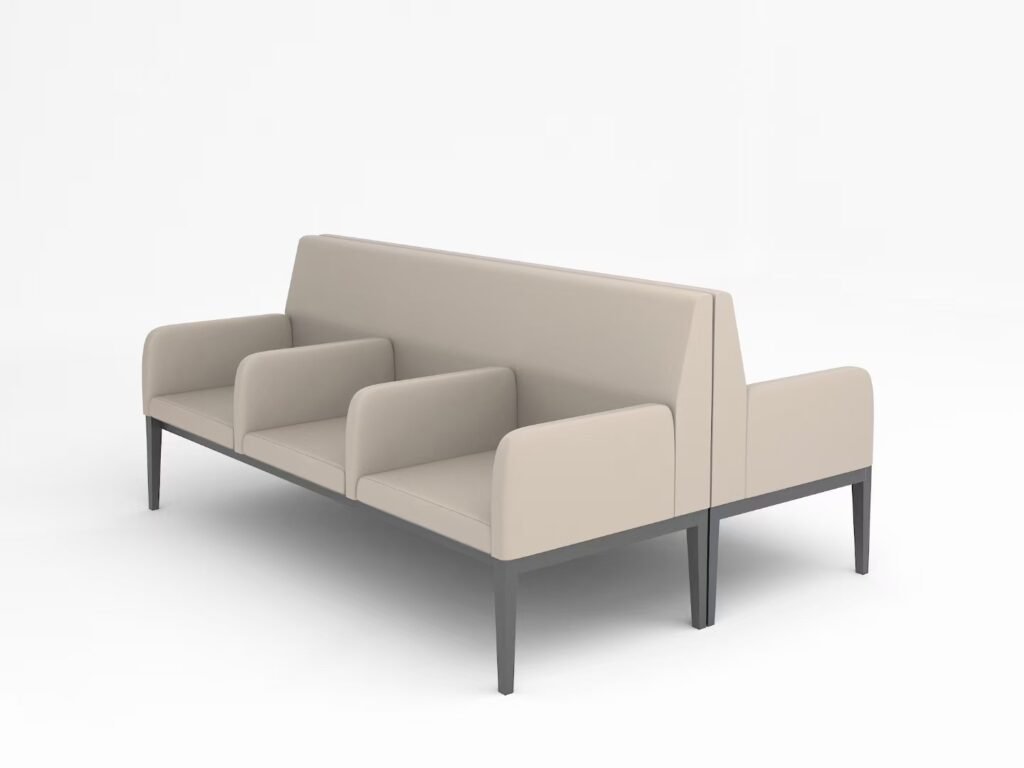
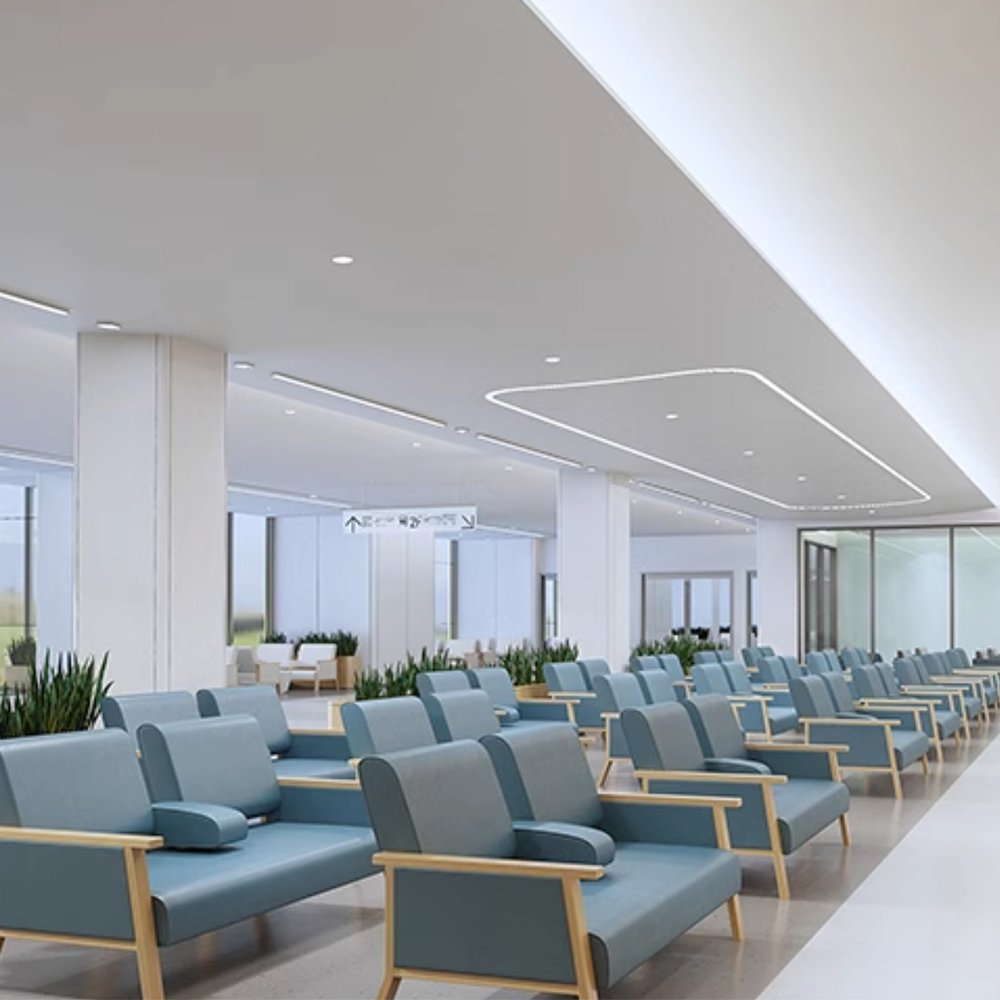
Upholster in Durable, Antimicrobial Fabrics
Hospital waiting area furniture needs to be durable in a unique way. It should be able to withstand heavy daily use by patients who may be experiencing adverse medical events, which can include bleeding, vomiting, and incontinence. In addition, waiting room chairs and tables need to be resistant to other liquids, foods, and spills often associated with the restaurant industry, since people may be eating or drinking while waiting.
Cleanability and Sanitization
Given the importance of maintaining strict sterilization standards in a healthcare setting, waiting room furniture must be easy to clean and sanitize. Choose furniture with smooth surfaces and non-porous materials that are easy to wipe down and disinfect. Fabrics like vinyl are popular in healthcare thanks to their impermeable nature and resilience. We offer many other extra heavy-duty upholstery options that are also recommended for hospital and medical office waiting room furniture.
Although it would be practical to have solid wood or metal chairs, most hospitals select chairs with padded seats and backs for patient comfort. Some fabrics are easier to clean than others. Talk with us to find the best fabric for your healthcare and hospital waiting areas.
Style & Aesthetics
Practical needs, while important, shouldn’t dominate the furniture selection. It’s also important to consider aesthetics. You want your space to feel warm and welcoming as well as functional. Choose a style reflective of your clinic’s comfortable and caring environment.
Hospital waiting area chairs should complement the overall aesthetic of the property while creating a calming and inviting atmosphere. Consider factors like color, design, and furniture arrangement to promote a sense of tranquility and comfort for patients. Details like lighting, plants, water features, and window treatments should complement the furniture for the best effect.
How to pick the most comfortable & best hospital waiting room furniture
- Look for chairs with an ergonomic backrest that gives support to the small of the back.
- Find chairs and benches with plush cushions that are not too soft and not too firm.
- Ensure the furniture is durable and that foam cushions won’t break down early (ask about a foam warranty).
- Make sure fabrics are not scratchy or irritating to the skin.
- Select a few different chair styles in different heights to accommodate varying needs.
- Add armless 2-seat sofas (benches with backrests) for guests who may have small children or who prefer sitting close to their family member
- Consider extra-wide bariatric seating for larger patients. Arm rests also help patients with limited mobility sit and stand safely.
- Select chairs and benches with ergonomic designs, cushioned seats, and appropriate backrests to ensure patients remain relaxed and comfortable.
How to decide if a chair frame is durable enough for healthcare use
Wooden Chairs & Benches | Faux Wood Chairs |
|---|---|
Hardwood frame | Aluminum or steel fame |
Mortise & tenon joints | Durable powder coating |
Intensive wood finishing process | Welded joints for durability |
Conclusion
In conclusion, choosing the best hospital waiting area furniture involves consideration of various factors such as durability, cleanability, style, comfort, water resistance, accessibility, and frame strength. By prioritizing these important features, healthcare facilities can create a welcoming and accommodating environment for patients while ensuring the furniture meets the demands of a busy commercial setting. The right hospital waiting area chairs play a crucial role in enhancing the waiting room experience for each patient who walks through your doors.
Hospital Waiting Areas Chairs Solutions: https://hospital-furnitures.com/product-category/chair-series/hospital-waiting-chair/
📱 Phone /WhatsApp/WeChat: +86 189 3439 6907
Please Feel Free To Contact Us
Get in touch for product details, pricing or personalized solutions that meet your unique need