
Every detail in your infusion center impacts patient experience, staff efficiency, and clinical outcomes. The chair patients spend hours in isn’t just furniture—it’s a critical care tool. According to The Center for Health Design, the physical environment significantly impacts patient outcomes—and seating is a cornerstone of that environment.
Section 1: Key Features of Quality Infusion Chairs
Patient-Centered Comfort
High-Density Foam Cushioning: Quality foam maintains support hour after hour. Look for medical-grade foam with demonstrated resilience testing.
Full Recline Capability: Smooth transition from upright to near-flat positions allows patients to rest comfortably during extended sessions.
Adjustable Leg Rest: Proper leg positioning supports circulation and reduces pressure on vulnerable areas.
Ergonomic Armrests: Contoured surfaces support comfortable arm positioning while allowing easy IV access.
Clinical-Grade Functionality
Smooth Electric Adjustment: Intuitive hand controls empower patients and reduce staff strain. Quiet operation maintains a calm environment.
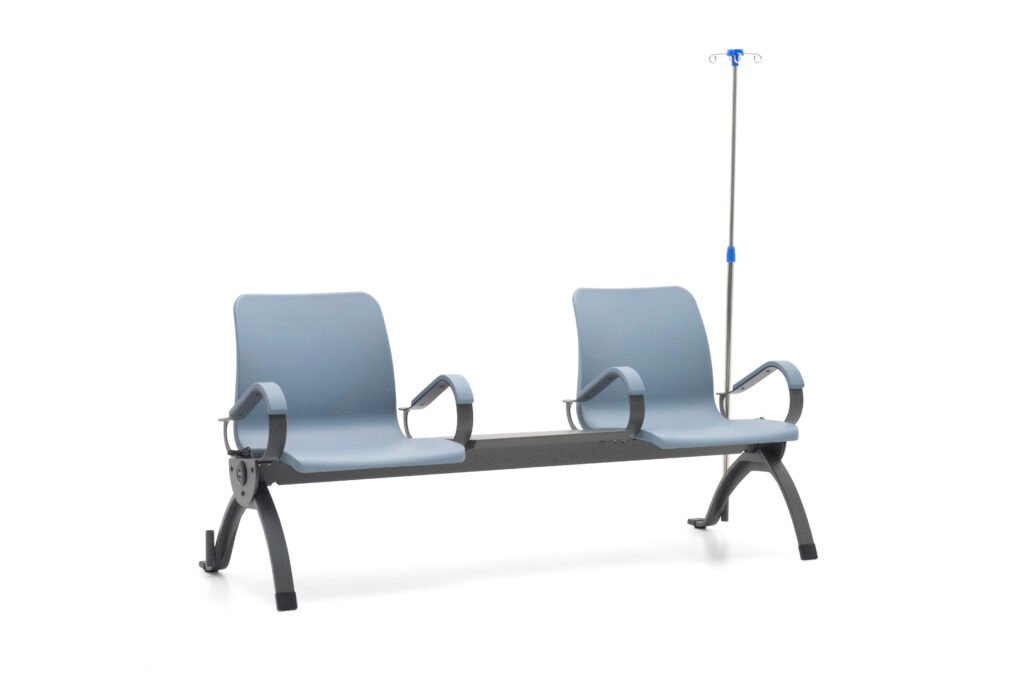
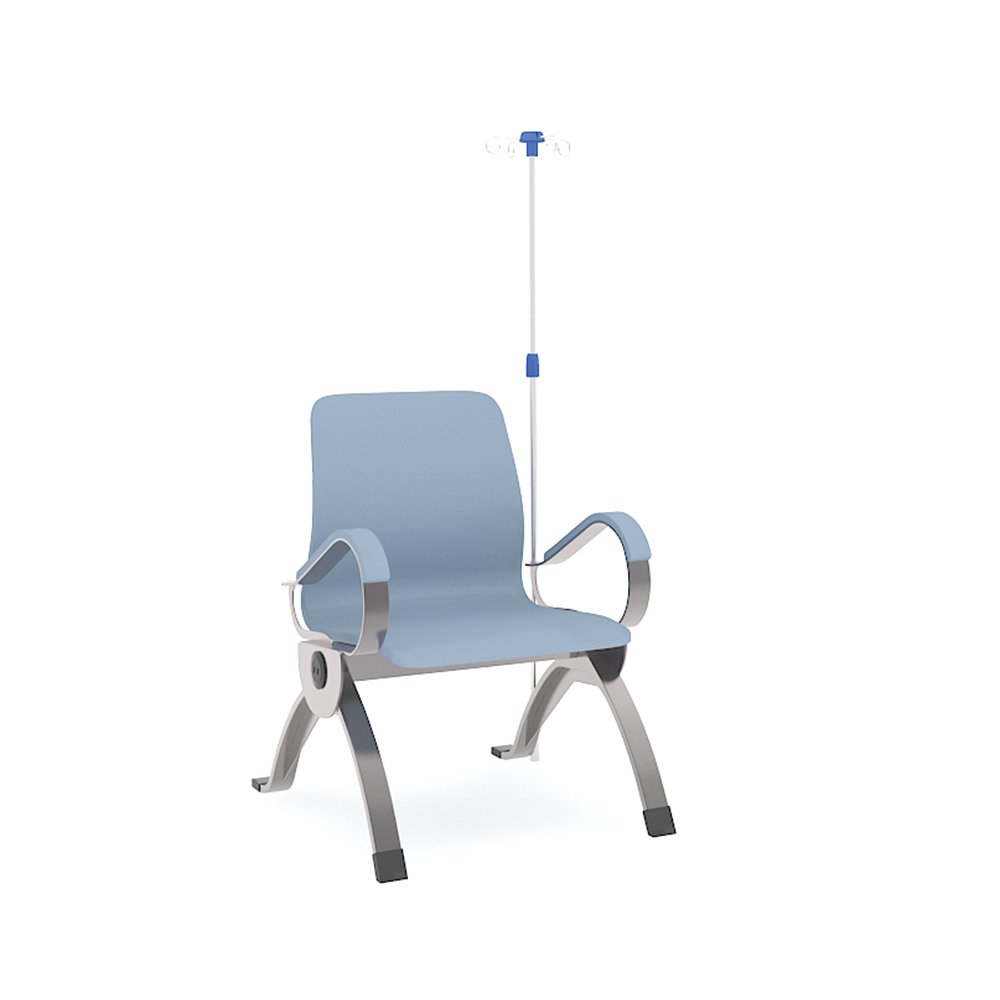
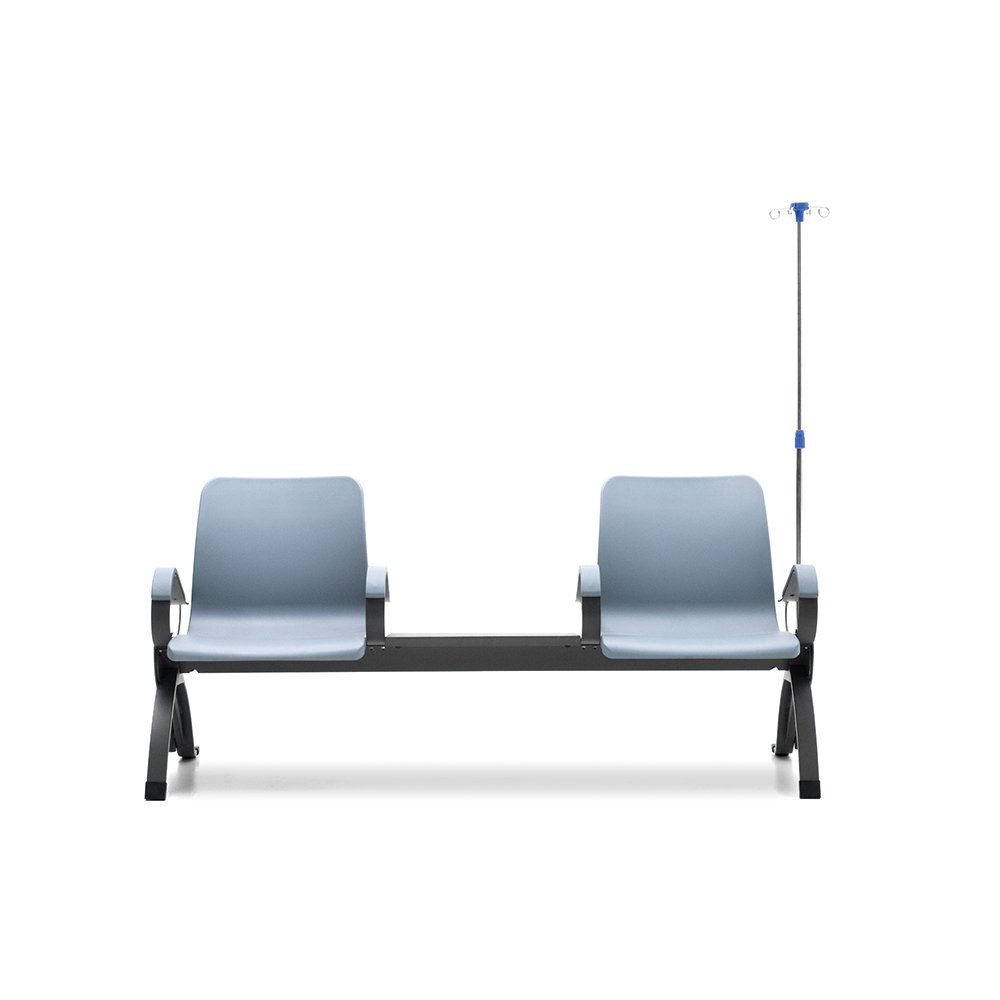
Stable IV Pole Integration: Integrated mounting eliminates wobbly standalone poles and remains stable during position changes.
Secure Positioning: Lockable casters ensure chairs remain securely placed during procedures.
Built for the Long Haul
Antimicrobial Upholstery: Built-in protection withstands repeated disinfection. According to CDC infection control guidelines, easy-to-clean surfaces are a clinical necessity.
Fluid-Resistant Construction: Prevents absorption and simplifies cleaning.
Reinforced Frame: Steel or hardwood construction ensures years of reliable service.
Seamless Surfaces: Smooth design eliminates crevices that harbor contaminants.
Section 2: The Business Case for Quality
Calculating True Cost of Ownership
| Cost Factor | Low-Quality Chair | Quality Chair |
|---|---|---|
| Initial Price | Lower | Higher |
| Expected Lifespan | 2-3 years | 7-10 years |
| Annual Cost | High | Low |
| Maintenance | Frequent | Minimal |
Over a decade, quality chairs deliver lower total cost while providing better patient and staff experiences.
Impact on Patient Satisfaction
According to J.D. Power healthcare studies, physical comfort ranks among top drivers of patient experience—directly influencing satisfaction scores and online reviews.
Section 3: How to Evaluate Suppliers
Red Flags to Avoid:
Inability to provide detailed specifications
Warranties shorter than 3 years
Lack of infection control certifications
No demonstrated compliance with safety standards
View our infusion chair collection for detailed specifications.
Questions to Ask:
What materials are used in the frame?
Is upholstery antimicrobial and fluid-resistant?
What warranty do you offer? (Quality chairs offer 5-10 years on frames)
Can you provide healthcare client references?
Does the chair meet relevant safety standards?
Section 4: Applications by Setting
Oncology Centers: Need exceptional comfort for extended chemotherapy sessions.
Hospital Infusion Departments: Require durability for constant, high-volume use.
Standalone Clinics: Benefit from flexibility across diverse patient populations.
Home Care: Balances clinical functionality with residential aesthetics.
By prioritizing patient comfort, clinical functionality, and durable construction, you transform infusion seating from a necessary expense into a strategic asset.
Ready to elevate your infusion center? Contact our team to discuss your facility’s needs.
We specialize in manufacturing the complete spectrum of hospital soft furniture and essential casegoods, providing a one-stop hospital office furnitures solution for your hospital projects.
📱 Call/WhatsApp/WeChat: +86 189 3439 6907
📩 Email: sales05@gdmingle.com
We're Happy To Hear From You
Get in touch for product details, pricing or personalized solutions that meet your unique needs.